Basil thyme (Acinos arvensis)
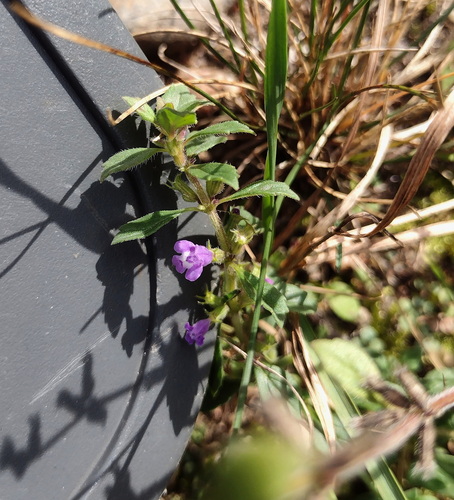
At a glance
- Exposure
- Full sun
- Frost limit
- −34.4 °C
Cultivation
Succeeds in any well-drained soil. Dislikes shade. A very hardy plant, tolerating temperatures down to at least -15°c. A short-lived perennial, but the plants usually self-sow when they are growing in a suitable position.
Propagation
Seed - sow early spring in a cold frame. If you have sufficient seed then you could try sowing in situ in April or May. Germination should take place within a month. When large enough to handle, prick the seedlings out into individual pots and plant them out in the summer. Division in spring. Basal cuttings in late spring. Very easy[K].
Edible uses
The flowering tops are used as a flavouring. The plant is only faintly aromatic and does not really make a very good substitute for thyme[238, K].
Medicinal uses
Basil thyme was a great favourite of the ancient herbalists, though it is little used medicinally at present. The flowering plant is harvested in the summer and is normally used fresh in infusions.
Material uses
The plant makes a good ground cover.
Habitat
Dry sunny banks and in fields on chalky, gravelly and sandy soils.
Native range
Europe, including Britain, from Scandanavia to the Mediterranean and east to W. Asia.
Scientific synonyms Clinopodium acinos