Common Blue Wood Aster (Aster cordifolius)
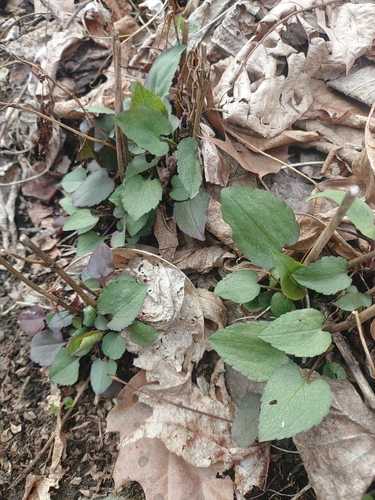
At a glance
- Lifecycle
- Perennial (hardy)
- Exposure
- Full sun
- Frost limit
- −40 °C
Cultivation
Succeeds in most good garden soils. Plants can be naturalized in a woodland or other wild garden. Most species in this genus seem to be immune to the predations of rabbits. Hybridizes freely with other members of this genus.
Propagation
Seed - surface sow in spring in a cold frame. Do not allow the compost to become dry. Pre-chilling the seed for two weeks can improve germination rates. When large enough to handle, prick the seedlings out into individual pots and plant them out in the summer. Division in spring or autumn. Basal cuttings in late spring. Harvest the shoots when they are about 10 - 15cm long with plenty of underground stem. Pot them up into individual pots and keep them in light shade in a cold frame or greenhouse until they are rooting well. Plant them out in the summer.
Edible uses
Leaves - cooked and used as greens.
Medicinal uses
An infusion of the plant is used as an aromatic nervine and also in the treatment of rheumatism.
Habitat
Woods and thickets.
Native range
Eastern N. America - Nova Scotia and New Brunswick to Ontario, Minnesota, Georgia and Missouri.