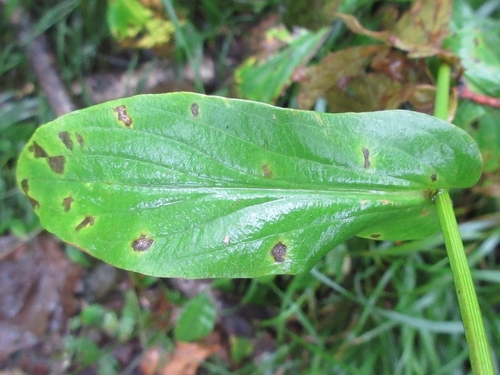
Bupleurum longiradiatum
At a glance
- Lifecycle
- Perennial (hardy)
- Exposure
- Full sun
Cultivation
We have very little information on this species and do not know if it will be hardy in Britain, though judging by its native range it should succeed outdoors in many parts of this country. The following notes are based on the general needs of the genus. Succeeds in most soils if they are well drained.
Propagation
Seed - sow spring in the greenhouse. The seed usually germinates in 2 - 8 weeks at 15°c. When large enough to handle, prick the seedlings out into individual pots and grow them on in the greenhouse for at least their first winter, planting them out into their permanent positions in late spring or early summer, after the last expected frosts. Division might be possible in the spring.
Edible uses
Young leaves - cooked.
Medicinal uses
The seed is used in the treatment of amenorrhoea, catarrh, deafness, diarrhoea, dysmenorrhoea, dyspepsia, fever, flatulence, hepatitis, inflammation, malaria, vertigo and uteral prolapse.
Habitat
Forests and shrubby thickets, it is also found rarely on not excessively exposed dry slopes.
Native range
E. Asia - China, Japan, Siberia.