Caragana brevispina
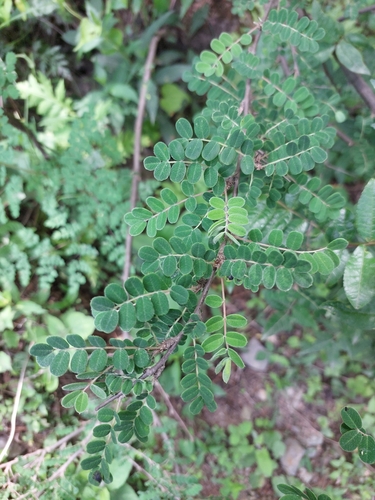
At a glance
- Lifecycle
- Perennial (hardy)
- Exposure
- Full sun
- Frost limit
- −23.3 °C
Cultivation
Succeeds in most well-drained soils, but prefers full sun and a light sandy dry or well-drained soil. This species is hardy to at least -20°c. Plants in this genus are notably resistant to honey fungus. This species has a symbiotic relationship with certain soil bacteria, these bacteria form nodules on the roots and fix atmospheric nitrogen. Some of this nitrogen is utilized by the growing plant but some can also be used by other plants growing nearby.
Propagation
Seed - best sown as soon as it is ripe in a cold frame. As soon as they are large enough to handle, prick the seedlings out into individual pots and grow them on in a greenhouse for at least their first winter. Plant them out into their permanent positions in late spring or early summer, after the last expected frosts. Cuttings of half-ripe wood, 7 - 10cm with a heel, July/August in a frame. Layering in spring.
Edible uses
Seed - cooked. Small but produced in abundance. The seed of a plant seen at the Royal Horticultural Gardens, Wisley in Surrey in September 1993 was about twice the size of C. arborescens but it had a distinctly bitter taste[K]. High in protein, it has been recommended as an emergency food for humans. Young buds - cooked as a green vegetable.
Medicinal uses
A decoction of the plant is taken in the treatment of aching joints.
Material uses
Plants can be grown as a hedge, they are very spiny and provide an impenetrable barrier. The extensive root system of this plant makes it useful for planting to control soil erosion. Wood - hard, close grained.
Habitat
Higher forests, in the undergrowth of fir and oak forests or in open glades on dry ridges from 1500 - 2700 metres.
Native range
E. Asia - N.W. Himalayas..