Carpesium divaricatum
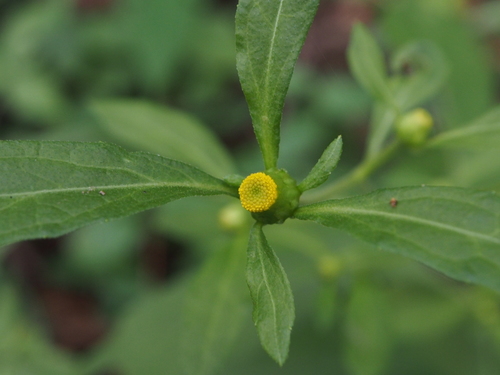
At a glance
- Lifecycle
- Perennial (hardy)
- Exposure
- Full sun
Cultivation
We have very little information on this species and do not know if it will be hardy in Britain, though judging by its native range it should succeed outdoors in many parts of this country. See the plants native habitat for ideas on its cultivation needs.
Propagation
Seed - sow spring in a cold frame. Only just cover the seed and do not allow the compost to dry out. When they are large enough to handle, prick the seedlings out into individual pots and grow them on in a cold frame for at least their first winter. Plant them out into their permanent positions in late spring or early summer, after the last expected frosts. Division in spring.
Edible uses
Leaves - cooked.
Medicinal uses
The root, or the whole plant, is carminative, depurative, febrifuge and vermifuge. It is quite likely that it is the seeds that are used as a vermifuge - the book is rather vague but the seed of other members of this genus is vermicide[K].
Habitat
Cool, shady and damp waste places, roadsides and hillsides in China.
Native range
E. Asia - China, Japan, Korea, Manchuria.