Celastrus flagellaris
At a glance
- Exposure
- Full sun
- Frost limit
- −34.4 °C
Cultivation
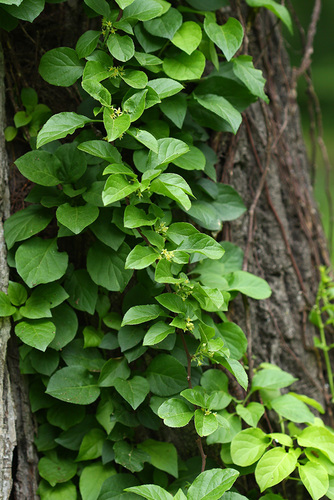
Prefers a deep loamy soil. A rampant climber, it requires ample space and is best grown into an old tree. Plants climb by means of twining and by hooked prickles. Plants in this genus are notably resistant to honey fungus. Dioecious, male and female plants must be grown if seed is required.
Propagation
Seed - gather when ripe, store in dry sand and sow February in a warm greenhouse. When they are large enough to handle, prick the seedlings out into individual pots and grow them on in a greenhouse for at least their first winter. Plant them out into their permanent positions in late spring or early summer, after the last expected frosts. Layering in August of the current seasons growth. Takes 12 months. Root cuttings, 6mm thick 25mm long in December. Plant horizontally in pots in a frame.
Edible uses
Young leaves - cooked.
Medicinal uses
Many plants in this genus contain compounds of interest for their antitumour activity.
Habitat
Mountains in S. Japan.
Native range
E. Asia - China, Japan, Korea.