Good-king-henry (Chenopodium bonus-henricus)
Other names good King Henry
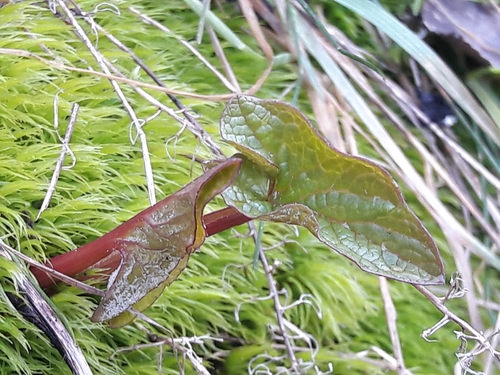
At a glance
- Lifecycle
- Perennial (hardy)
- Exposure
- Full sun
- Frost limit
- −28.9 °C
Cultivation
Prefers a fertile humus rich soil in a sunny position. The plant produces a better quality harvest in the summer if it is grown in light shade[264, K]. A very easily grown plant, it tolerates considerable neglect and succeeds in most soils and situations[16, 33, K]. Good King Henry was at one time frequently cultivated in the garden as a perennial vegetable, but it has fallen out of favour and is seldom grown at present.
Propagation
Seed - sow spring in a cold frame. Germination can be slow, but usually a high percentage will germinate[K]. Prick out the seedlings into individual pots as soon as they are large enough to handle and plant out into their permanent positions in the summer. Division in spring. Very easy, larger clumps can be replanted direct into their permanent positions, though it is best to pot up smaller clumps and grow them on in a cold frame until they are rooting well. Plant them out in the summer or following spring.
Edible uses
Young leaves - raw or cooked. Young flowering shoots - cooked. A very pleasant spring vegetable[K]. The plant is sometimes blanched by excluding the light in order to produce a longer and more succulent shoot, though this practice also reduces the quantity of vitamins in the shots[264, K]. Young flower buds - cooked, though they are rather small and harvesting any quantity takes quite a while[K]. Seed - ground and mixed with flour then used in making bread etc. The seed is small and fiddly but is easily harvested[K]. It should be soaked in water overnight and thoroughly rinsed before it is used in order to remove any saponins[K].
Medicinal uses
The herb is emollient, laxative and vermifuge. A poultice of the leaves has been used to cleanse and heal chronic sores, boils and abscesses. The seed is a gentle laxative that is suitable for children.
Material uses
Gold/green dyes can be obtained from the whole plant.
Habitat
Rich pastures, farmyards, roadsides etc.
Native range
Most of Europe, including Britain, north to Scandanavia, W. Asia, N. America.
Scientific synonyms Blitum bonus-henricus