California goosefoot (Chenopodium californicum)
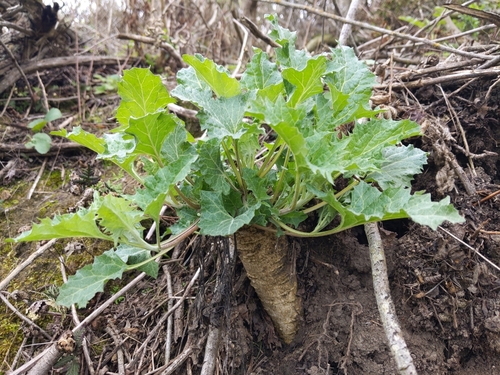
At a glance
- Lifecycle
- Annual
- Exposure
- Full sun
Cultivation
We have very little information on this species and do not know if it will be hardy in Britain, though judging by its native range it could succeed outdoors in many parts of this country. It is likely to require a well-drained soil in a sunny position. The following notes are based on the general needs of the genus. An easily grown plant, succeeding in most soils but disliking shade.
Propagation
Seed - sow spring in a cold frame. Put a few seeds into each pot and thin if necessary to the best plant. Germination is normally fast and good. Plant out in late spring, after the last expected frosts. Division in spring.
Edible uses
Leaves and young shoots - cooked. Used like spinach. The raw leaves should only be eaten in small quantities, see the notes above on toxicity. Seed - cooked. The seed is small and fiddly, it should be soaked in water overnight and thoroughly rinsed before it is used in order to remove any saponins. The milky sap has been used to make a gum.
Medicinal uses
A decoction of the whole plant has been used to treat stomach disorders. A decoction of the root has been applied as a poultice on numbed or paralysed limbs.
Material uses
Gold/green dyes can be obtained from the whole plant. The root is saponaceous.
Habitat
Dryish slopes and plains below 1500 metres, to the edges of deserts.
Native range
South-western N. America - California.
Scientific synonyms Blitum californicum