Cirsium setosum
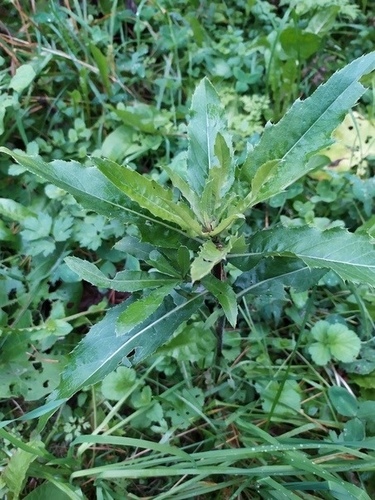
At a glance
- Lifecycle
- Perennial (hardy)
- Exposure
- Full sun
Cultivation
We have very little information on this species and do not know if it will be hardy in Britain, though judging by its native range it could succeed outdoors at least in the milder parts of this country. There is a difference amongst botanists as to how this species should best be treated. In the Flora of China it is treated as one aggregate species. The plant has wide-ranging roots that send up adventitious shoots and so it has the potential to become an invasive plant in areas to which it is introduced[266. K]. This species is dioecious, male and female plants must be grown if seed is required. The following notes are based on the general needs of the genus. An easily grown plant, succeeding in any ordinary garden soil in a sunny position.
Propagation
Seed - sow early spring or autumn in situ. Germination usually takes place within 2 - 8 weeks at 20°c. Division in spring or autumn.
Edible uses
Young leaves - cooked.
Medicinal uses
The whole plant is antipyretic, depurative and haemostatic. It resolves clots and is used in the treatment of haemoptysis, haematemesis, metrorrhagia, boils and carbuncles and traumatic bleeding.
Material uses
The seed of all species of thistles yields a good oil by expression. No details of potential yields etc are given[K].
Habitat
Edges of fields and streams.
Native range
E. Asia - China, S. Japan, Korea, Manchuria.