Ichang Papeda (Citrus ichangensis)
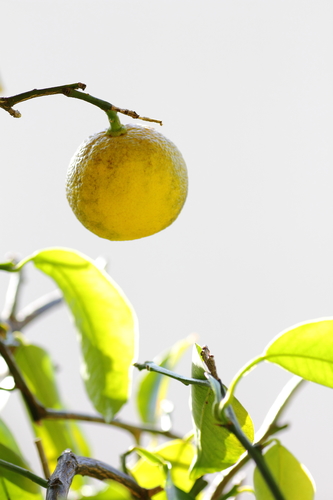
At a glance
- Lifecycle
- Perennial (hardy)
- Exposure
- Full sun
- Frost limit
- −12.2 °C
Cultivation
Prefers a moderately heavy loam with a generous amount of compost and sand added and a very sunny position. This species is not hardy in the colder areas of the country, it tolerates temperatures down to about -5°c when dormant. The young growth in spring, even on mature plants, is frost-tender and so it is best to grow the plants in a position sheltered from the early morning sun[K]. Occasionally cultivated for its edible fruit, there are some named varieties. Plants dislike root disturbance and so should be placed into their permanent positions when young. If growing them in pots, great care must be exercised when potting them on into larger containers. The flowers are sweetly scented.
Propagation
The seed is best sown in a greenhouse as soon as it ripe after thoroughly rinsing it. When large enough to handle, prick the seedlings out into individual pots and grow them on in the greenhouse for at least three growing seasons before trying them outdoors. Plant them out in the summer and give them some protection from the cold for their first few winters outdoors. Cuttings of half-ripe wood, July/August in a frame. Layering in October.
Edible uses
Fruit - raw or cooked.
Medicinal uses
Citrus species contain a wide range of active ingredients and research is still underway in finding uses for them. They are rich in vitamin C, flavonoids, acids and volatile oils. They also contain coumarins such as bergapten which sensitizes the skin to sunlight. Bergapten is sometimes added to tanning preparations since it promotes pigmentation in the skin, though it can cause dermatitis or allergic responses in some people.
Habitat
Highland areas.
Native range
E. Asia - W. and S.W. China.