Storehousebush (Cudrania tricuspidata)
At a glance
- Lifecycle
- Perennial (hardy)
- Exposure
- Full sun
- Frost limit
- −17.8 °C
Cultivation
Prefers a warm well-drained fertile loam. A very hardy plant. The leaves are a food source for silk-worms. Probably only the male tree is in cultivation in Britain, though at least one selected female form is being grown in N. America.
Propagation
Seed - best sown as soon as it is ripe in a cold frame. Sow stored seed in early spring in a cold frame. When they are large enough to handle, prick the seedlings out into individual pots and grow them on in the greenhouse for at least their first winter. Plant them out into their permanent positions in late spring or early summer, after the last expected frosts. Cuttings of half-ripe wood, July/August in a frame[188, K]. Cuttings of mature wood, November in a sandy soil in a frame.
Edible uses
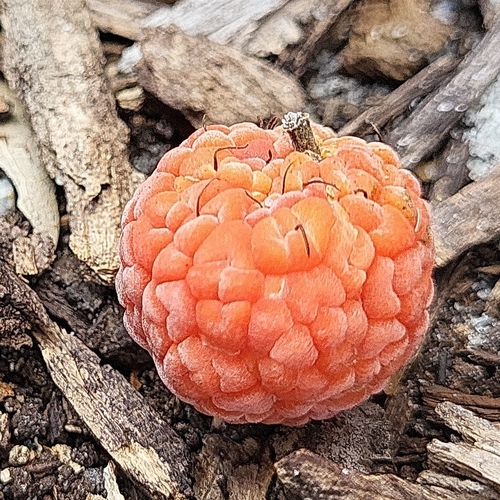
Fruit - fresh or preserved. Leaves - a famine food.
Medicinal uses
An infusion of the wood is used to treat sore or weak eyes. The inner bark and the wood are used in the treatment of malaria, debility and menorrhagia. The root is galactogogue and is also used in the treatment of amenorrhoea. The plant is used to eliminate blood stasis and stimulate the circulation in cancer of the alimentary system, blood and lungs.
Material uses
A yellow dye is obtained from the wood. The bark fibers are used for making paper. Wood - finely grained. Used for utensils.
Habitat
Rocky slopes and roadsides in W. China.
Native range
E. Asia - China, Japan and Korea.