Wild Hyacinth (Dichelostemma pulchellum)
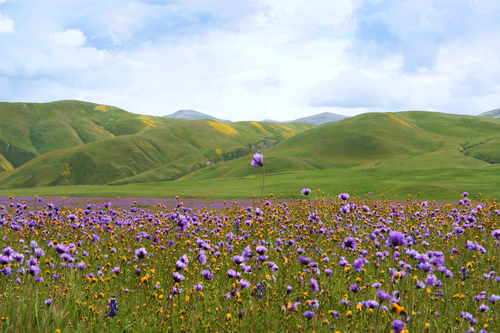
At a glance
- Exposure
- Full sun
- Frost limit
- −28.9 °C
Cultivation
Easily grown in a well-drained rich sandy loam. This species is hardy to between -5 to -10°c, it may require protection in severe winters. This can be done by applying a good organic mulch such as dry bracken in late autumn and removing it in early spring. Alternatively, you can cover the ground with a cloche or other device. A very ornamental plant, it can flower in 2 years from seed.
Propagation
Seed - best sown as soon as it is ripe in a free-draining compost in a cold frame. If the seed is sown thinly enough, it can be grown on for its first year without transplanting and then the dormant bulbs can be planted 2/3 to a pot. Otherwise prick out the seedlings when large enough to handle, planting them 2/3 to a pot. Grow on the plants in a greenhouse for at least two years before planting out in late spring after the last expected frosts. Division in autumn of offsets that have reached flowering size. Dig up the clumps of bulbs and replant the larger ones into their permanent positions. It is best to pot up the smaller ones and grow them on for a year in a cold frame before planting them out.
Edible uses
Corm - raw or cooked. Flowers - raw.
Material uses
The corms have been rubbed on metate into an adhesive and then spread on baskets to close the interstices and prevent small seeds falling through the gaps.
Habitat
Plains and hillsides.
Native range
South-western N. America - California.