Eleutherococcus divaricatus
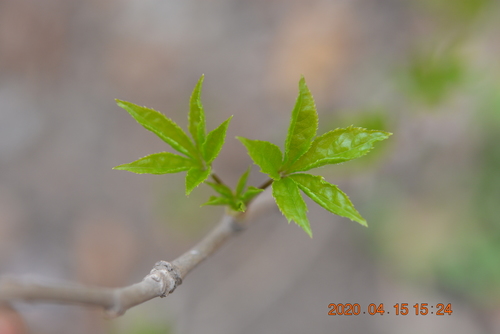
At a glance
- Lifecycle
- Perennial (hardy)
- Exposure
- Full sun
- Frost limit
- −23.3 °C
Cultivation
Succeeds in an open loamy soil. Plants are hardy to at least -10 to -15°c if they are sheltered from cold winds. A spineless form, Eleutherococcus divaricatus inermis (Nakai) H. Ohashi, has been reported.
Propagation
Seed - best sown as soon as it is ripe in the autumn in a cold frame. Prick out the seedlings into individual pots when they are large enough to handle and grow them on in light shade in a cold frame or greenhouse for at least the first winter. Plant out in late spring or early summer. Cuttings of half-ripe wood, July/August in a frame. Cuttings of ripe wood of the current season's growth, 15 - 30cm long in a cold frame. Root cuttings in late winter. Division of suckers in the dormant season.
Edible uses
Leaves - cooked. The leaves are used as a condiment. The dried leaves are a tea substitute.
Habitat
A rather rare plant, growing in the mountains all over Japan.
Native range
E. Asia - Japan.