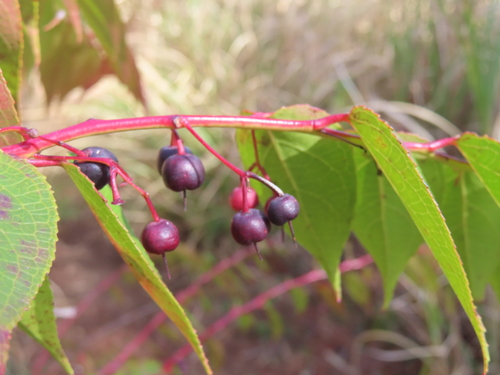
Gaultheria cumingiana
At a glance
- Lifecycle
- Perennial (hardy)
- Exposure
- Partial shade
- Frost limit
- −1.1 °C
Cultivation
Prefers a moist but not boggy humus rich soil in shade or semi-shade. This species is probably not hardy in Britain. Plants in this genus are notably resistant to honey fungus.
Propagation
The seed requires a period of cold stratification. Pre-chill for 4 - 10 weeks and then surface sow in a lime-free compost in a shady part of the greenhouse and keep the compost moist. Cuttings of half-ripe wood 3 - 6cm long, July/August in a frame in a shady position. They form roots in late summer or spring. A good percentage usually take. Division in spring just before new growth begins. Larger clumps can be replanted direct into their permanent positions, though it is best to pot up smaller clumps and grow them on in a cold frame until they are rooting well. Plant them out in the spring. Layering.
Edible uses
Fruit - raw or cooked.
Medicinal uses
A decoction of the rhizomes is used to resolve clots and bruising, stimulate blood circulation and promote bone-knitting and tissue repair.
Habitat
Grows in uplands.
Native range
E. Asia - S. China to the Philippines.