Grewia oppositifolia
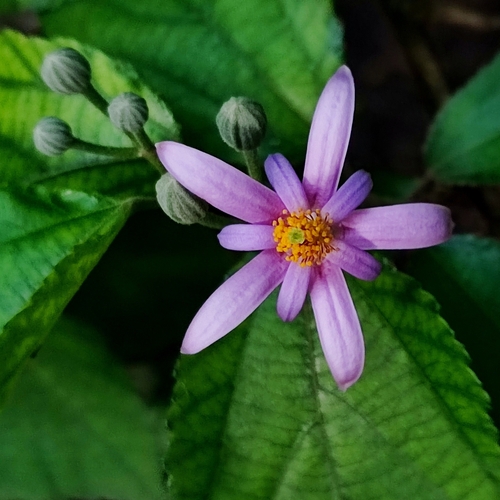
At a glance
- Lifecycle
- Perennial (hardy)
- Exposure
- Full sun
- Frost limit
- −6.7 °C
Cultivation
Succeeds in most soils. This species is not very hardy in Britain, preferring hotter summers than are usually experienced here. Plants are often cultivated in the Himalayas.
Propagation
Seed - we have no information for this species but suggest sowing the seed in late winter in a cold frame. When they are large enough to handle, prick the seedlings out into individual pots and grow them on in the greenhouse for at least their first winter. Plant them out into their permanent positions in late spring or early summer, after the last expected frosts. Layering.
Edible uses
Fruit - raw or cooked. A pleasant acid taste.
Material uses
A fibre is obtained from the bark, it is used in paper and rope making but is not very durable. Wood - tough and elastic but with a very unpleasant odour when first cut. It is used for making oar shafts, tool handles etc.
Habitat
Foothills of the N.W. Himalayas to 1800 metres.
Native range
E. Asia - Himalayas.
Scientific synonyms Grewia emarginata, Grewia optiva