Gypsophila licentiana
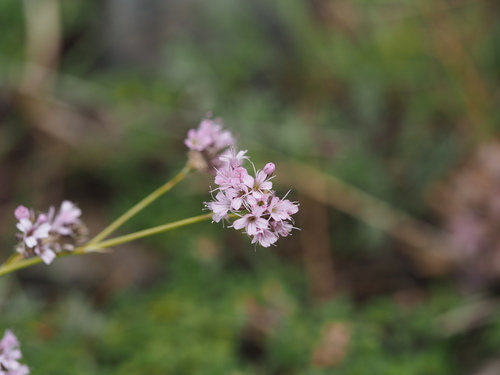
At a glance
- Lifecycle
- Perennial (hardy)
- Exposure
- Full sun
- Frost limit
- −23.3 °C
Cultivation
Requires a well-drained soil in full sun. Plants are hardy to at least -20°c. Closely related to and often confused with C. autifolia, a species growing in the Caucasus. This species is cultivated for the saponins contained in the thick root.
Propagation
Seed - we have no information for this species but suggest sowing the seed in a greenhouse in spring. When they are large enough to handle, prick the seedlings out into individual pots and, if growth is sufficient, plant them out into their permanent positions in the summer. If the plants are too small to plant out, grow them on in the greenhouse for their first winter and then plant them out in late spring or early summer. Division in spring or autumn. Larger clumps can be replanted direct into their permanent positions, though it is best to pot up smaller clumps and grow them on in a cold frame until they are rooting well. Plant them out in the spring. Basal cuttings before the plant flowers. Harvest the shoots when they are about 10cm long with plenty of underground stem. Pot them up into individual pots and keep them in light shade in a cold frame or greenhouse until they are rooting well. Plant them out in the summer. Root cuttings.
Edible uses
A vegetable. No more details are given, we do not know what part of the plant is used.
Material uses
The root is a good source of saponins. Saponins can be used as a soap substitute. They lather well in water and make a gentle and effective cleaner.
Habitat
Dry sandy places and stony slopes.
Native range
E. Asia - China.
Same genus
- Showy baby's-breath (Gypsophila elegans)
- Sharpleaf baby's-breath (Gypsophila acutifolia)
- Chickweed baby's-breath (Gypsophila cerastoides)
- Oldham's baby's-breath (Gypsophila oldhamiana)
- Baby's breath (Gypsophila paniculata)
- Perfoliate baby's-breath (Gypsophila perfoliata)
- Pacific gypsophila (Gypsophila pacifica)
- Turkish baby's-breath (Gypsophila pilosa)