Jasminum odoratissimum
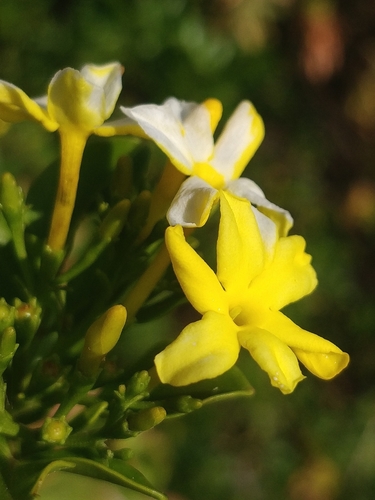
At a glance
- Lifecycle
- Perennial (hardy)
- Exposure
- Full sun
- Frost limit
- −6.7 °C
Cultivation
We have almost no information on this species, though one report says that it can succeed outdoors in the mildest areas of Britain. Most members of this genus succeed in a good well-drained loam. The flowers have a heavy sweet perfume. Plants in this genus are notably resistant to honey fungus.
Propagation
Seed - best sown as soon as it is ripe in a cold frame. When they are large enough to handle, prick the seedlings out into individual pots and grow them on in the greenhouse for at least their first winter. Plant them out into their permanent positions in late spring or early summer, after the last expected frosts. Cuttings of half-ripe wood, July/August in a frame. Very easy. Cuttings of mature wood in November. Layering.
Edible uses
The flowers are used for flavouring or scenting tea.
Material uses
An essential oil from the flowers is used in perfumery.
Habitat
Not known
Native range
Madeira.