Lactuca capensis
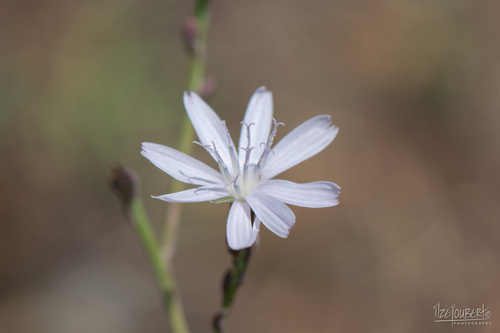
At a glance
- Lifecycle
- Perennial (hardy)
- Exposure
- Full sun
Cultivation
We have very little information on this species and do not know if it will be hardy in Britain. The following notes are based on the general needs of the genus. Prefers a light sandy loam.
Propagation
Seed - sow spring in a cold frame and only just cover the seed. Germination is usually quick, prick out the seedlings into individual pots when they are large enough to handle and plant them out in early summer. Division in spring.
Edible uses
Young plant - cooked.
Medicinal uses
Although we have seen no specific reports for this species, most if not all members of the genus have a milky sap that contains the substance 'lactucarium' and can probably be used as the report below details[K]. The whole plant is rich in a milky sap that flows freely from any wounds. This hardens and dries when in contact with the air. The plant should be used with caution, and never without the supervision of a skilled practitioner. Even normal doses can cause drowsiness whilst excess causes restlessness. Some physicians believe that any effects of this medicine are caused by the mind of the patient rather than by the medicine. The sap has also been applied externally in the treatment of warts.
Habitat
Lower mountain slopes, Lion's Head to Constantia.
Native range
S. Africa.