Neillia thyrsiflora
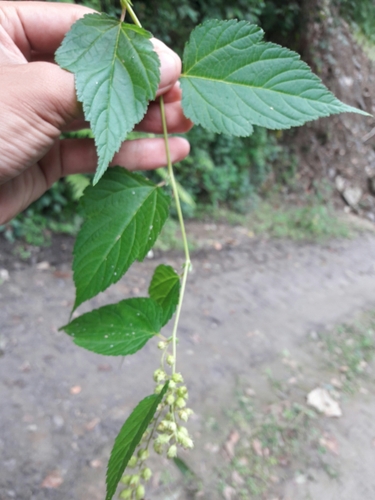
At a glance
- Lifecycle
- Perennial (hardy)
- Exposure
- Full sun
- Frost limit
- −12.2 °C
Cultivation
Prefers a moist, well aerated soil in a sunny or partly shaded position. This species is nt very winter hardy, tolerating temperatures down to about -5 c. It succeeds outdoors in the milder areas of Britain. Unlike other members of this genus, this species flowers on the current season's growth and so any pruning is best carried out in late winter or early spring.
Propagation
Seed - sow late winter or early spring in a warm greenhouse. When they are large enough to handle, prick the seedlings out into individual pots and grow them on in a semi-shaded position in the greenhouse for at least their first winter. Plant them out into their permanent positions in late spring or early summer, after the last expected frosts. Softwood cuttings in early summer. Semi-ripe cuttings in the summer in a closed frame with botom heat. Division of suckers in the autumn.
Edible uses
Fruit - eaten when fully ripe.
Habitat
Exposed slopes along streams at elevations of 1600 - 2100 metres in Nepal.
Native range
E. Asia - Himalayas to western China, Burma and south to Indonesia.