Robinia luxurians
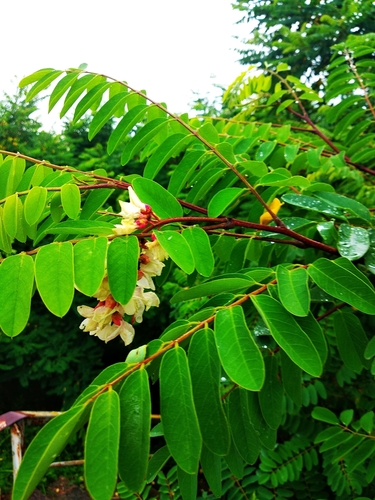
At a glance
- Lifecycle
- Perennial (hardy)
- Exposure
- Full sun
- Frost limit
- −28.9 °C
Cultivation
Succeeds in any soil, preferring one that is not too rich. Succeeds in a hot dry position. The branches are brittle and very liable to wind damage. Any pruning should be done in late summer in order to reduce the risk of bleeding. Plants in this genus are notably resistant to honey fungus. The flowers are fragrant. This species has a symbiotic relationship with certain soil bacteria, these bacteria form nodules on the roots and fix atmospheric nitrogen. Some of this nitrogen is utilized by the growing plant but some can also be used by other plants growing nearby.
Propagation
Seed - pre-soak for 48 hours in warm water and sow the seed in late winter in a cold frame. Suckers taken during the dormant season.
Edible uses
Flowers - raw.
Material uses
Plants succeed in dry barren sites, their suckering habit making them suitable for stabilizing banks. Wood - heavy, exceedingly hard, strong, close-grained.
Habitat
Banks of mountain streams to elevations of 2100 metres.
Native range
South-western N. America - New Mexico.