Sanicula rubriflora
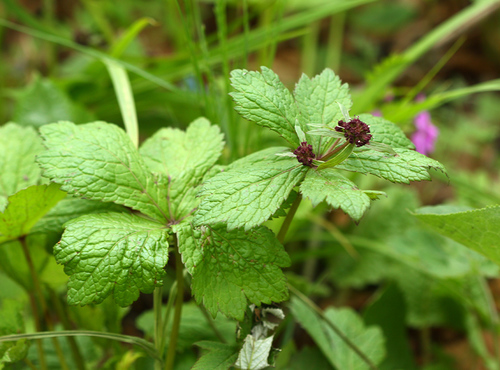
At a glance
- Lifecycle
- Perennial (hardy)
- Exposure
- Full sun
Cultivation
We have very little information on this species and do not know if it will be hardy in Britain, though judging by its native range it should succeed outdoors in most parts of the country. The following notes are based on the general needs of the genus. Succeeds in any moderately fertile well-drained soil in sun or semi-shade.
Propagation
Seed - we have no information for this species but the following notes are for the related S. europaea. Stratification improves the germination rate. If possible sow the seed in the autumn, sow stored seed as early in the year as possible. It is best to sow the seed in situ in a woodland soil under trees If seed is in short supply it is probably wise to sow it in pots of woodland soil in a shady place in a cold frame. When they are large enough to handle, prick the seedlings out into individual pots and grow them on in a shady position in the greenhouse for their first winter. Plant them out into their permanent positions in late spring or early summer, after the last expected frosts. Division in spring. Larger divisions can be planted out direct into their permanent positions. We have found it best to pot up the smaller divisions and grow them on in a lightly shaded position in a cold frame, planting them out once they are well established in the summer.
Edible uses
Young leaves - cooked. Some caution is advised, see the notes above on toxicity.
Habitat
Banks of forest streams, floodplain forests.
Native range
E. Asia - C. Japan, Korea, Manchuria.
Same genus
- Sanicle (Sanicula europaea)
- Bear's-foot sanicle (Sanicula arctopoides)
- Sharptooth blacksnakeroot (Sanicula arguta)
- Poison sanicle (Sanicula bipinnata)
- Purple sanicle (Sanicula bipinnatifida)
- Canadian blacksnakeroot (Sanicula canadensis)
- Pacific blacksnakeroot (Sanicula crassicaulis)
- Northern sanicle (Sanicula graveolens)