Serratula coronata
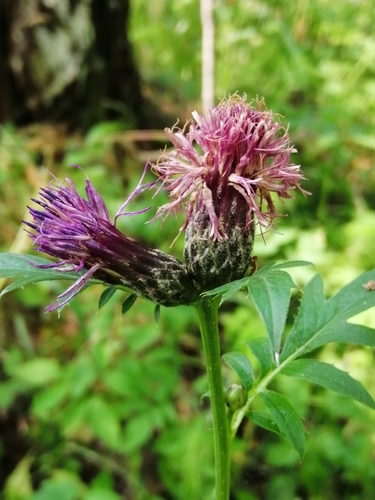
At a glance
- Lifecycle
- Perennial (hardy)
- Exposure
- Full sun
- Frost limit
- −28.9 °C
Cultivation
Succeeds in a sunny position in most well-drained soils. Suitable for the wildflower garden, where it can naturalize. This species is sometimes separated into S. coronata and S. wolffii. Andrae. - a species that is found in Romania and also in southern and central Russia.
Propagation
Seed - sow spring in a greenhouse and only just cover the seed. Make sure the compost does not dry out. Prick out the seedlings into individual pots when they are large enough to handle and plant them out in early summer if they have grown sufficiently. Otherwise, grow them on in the greenhouse or cold frame for their first winter and plant them out the following year after the last expected frosts. Division in spring. Larger divisions can be planted out direct into their permanent positions. We have found it best to pot up the smaller divisions and grow them on in a lightly shaded position in a cold frame, planting them out once they are well established in the summer.
Edible uses
Young leaves - cooked.
Habitat
Mountains of C. and S. Japan. Forests, forest margins on mountain slopes, steppes, meadows and river banks at elevations of 130 - 1600 metres in China.
Native range
E. Asia - China, Japan, Russia.