Veratrum maackii parviflorum
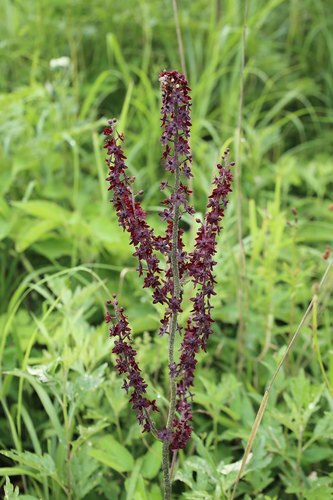
At a glance
- Lifecycle
- Perennial (hardy)
- Exposure
- Full sun
Cultivation
Requires a deep fertile moisture retentive humus-rich soil. Members of this genus are rarely if ever troubled by browsing deer. Plants are long-lived and can be left in the same position for years without attention.
Propagation
Unless stored in damp sand at around 4°c the seed has a short viability. Sow the seed thinly so there is no need to thin or transplant them, and grow the seedlings on undisturbed in the pot for their first two years of growth. Apply a liquid feed at intervals through the growing season to ensure the plants do not become nutrient deficient. At the end of the second year plant out the dormant plants into individual pots and grow them on in light shade in the greenhouse for a further year or two before planting them out into their permanent positions in late spring or early summer. Division in March/April or in October. Establish the plants in pots in a shaded frame before planting them out. Root cuttings, 6mm long with a bud, rooted in a sandy soil in a cold frame.
Edible uses
According to one report the whole plant is edible. This report should be viewed with extreme scepticism, the plant is likely to be very poisonous[K].
Medicinal uses
The root is emetic, expectorant and vermifuge. The whole plant is analgesic.
Material uses
The dried and powdered root is used as an insecticide and a parasiticide.
Habitat
Mountain woods of C. and N. Japan. Mountain forests and alpine meadows at elevations of 400 - 1700 metres in northern China.
Native range
E. Asia - China, Japan, Korea.