Allium ruhmerianum
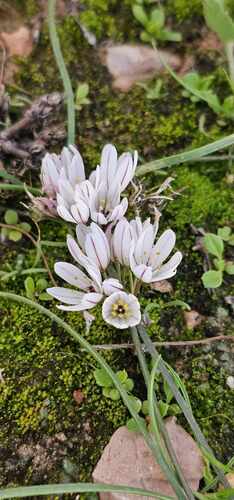
At a glance
- Exposure
- Full sun
Cultivation
We have very little information on this species and do not know if it will be hardy in Britain, though judging by its native range it could succeed outdoors at least in the milder parts of the country. The following notes are based on the general needs of the genus. Prefers a sunny position in a light well-drained soil. The bulbs should be planted fairly deeply. Grows well with most plants, especially roses, carrots, beet and chamomile, but it inhibits the growth of legumes. Members of this genus are rarely if ever troubled by browsing deer.
Propagation
Seed - sow spring in a cold frame. Prick out the seedlings into individual pots when they are large enough to handle - if you want to produce clumps more quickly then put three plants in each pot. Grow them on in the greenhouse for at least their first winter and plant them out into their permanent positions in spring once they are growing vigorously and are large enough. Division in spring. The plants divide successfully at any time in the growing season, pot up the divisions in a cold frame or greenhouse until they are growing well and then plant them out into their permanent positions.
Edible uses
Bulb - raw or cooked. Leaves - raw or cooked. Flowers - raw. Used as a garnish on salads.
Medicinal uses
Although no specific mention of medicinal uses has been seen for this species, members of this genus are in general very healthy additions to the diet. They contain sulphur compounds (which give them their onion flavour) and when added to the diet on a regular basis they help reduce blood cholesterol levels, act as a tonic to the digestive system and also tonify the circulatory system[K].
Material uses
The juice of the plant is used as a moth repellent. The whole plant is said to repel insects and moles.
Habitat
Not known
Native range
N. Africa.