Cimicifuga simplex
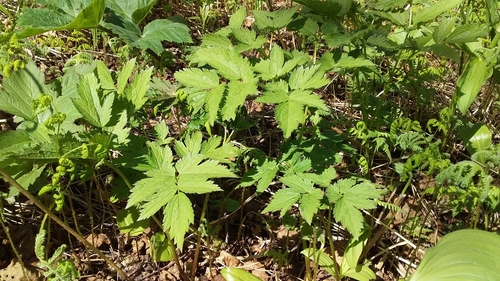
At a glance
- Lifecycle
- Perennial (hardy)
- Exposure
- Partial shade
- Frost limit
- −28.9 °C
Cultivation
Prefers a moist humus rich soil and some shade. Plants are hardy to at least -25°c. A number of named varieties have been selected for their ornamental value. A good bee and butterfly plant. A greedy plant, inhibiting the growth of nearby plants, especially legumes.
Propagation
Seed - best sown as soon as it is ripe in a cold frame. Prick out the young seedlings into individual pots when they are large enough to handle and grow them on in a frame for their first winter. Plant out in late spring or early summer[K]. Division in spring or autumn. Larger clumps can be replanted direct into their permanent positions, though it is best to pot up smaller clumps and grow them on in a cold frame until they are rooting well. Plant them out in the summer or following spring.
Edible uses
Leaves - cooked. Some caution is advised, see the notes above on toxicity. The fragrant root is used as a spice.
Habitat
Mountain meadows and alpine regions all over Japan.
Native range
E. Asia - Japan, Dahurica.
Scientific synonyms Actaea simplex